Green Agate Digital Texture: A Guide to Choosing, Using, and Maximizing Its Potential
If you're looking for a high-quality digital texture that adds depth and authenticity to your design projects, Green Agate Digital Texture might be just what you need. This digital image offers a realistic representation of the natural stone, making it ideal for use in graphic design, web development, print media, and creative industries. But before diving into its benefits, it's important to understand how to choose, apply, and evaluate this resource effectively.
Understanding Green Agate Digital Texture
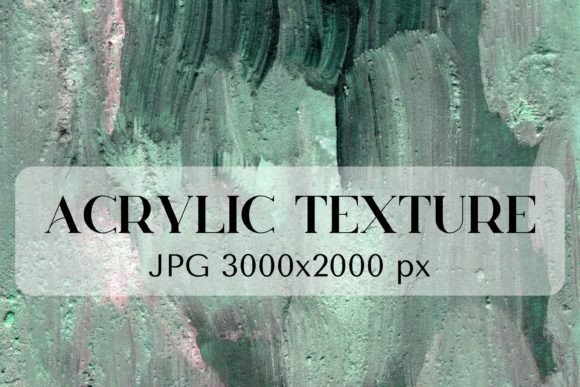
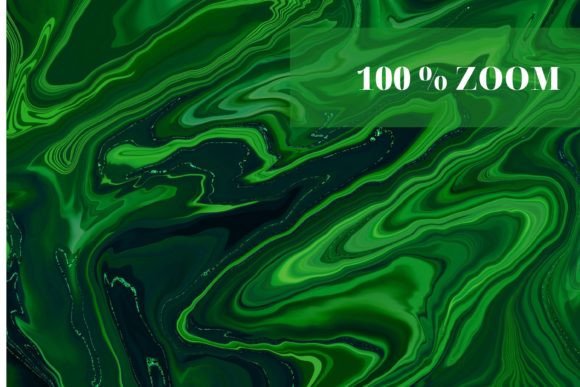
Green Agate is a type of chalcedony quartz known for its smooth, waxy appearance and vibrant green color. In the digital realm, Green Agate Digital Texture refers to a high-resolution image that captures the intricate details and natural patterns of this stone. It's often used as a background, texture overlay, or design element to enhance visual appeal without the cost or complexity of physical materials.
The file you receive after downloading is a ZIP archive containing a single JPG image. The specifications are clear: 300 DPI, RGB color mode, and a resolution of 3000x2000 pixels. These details ensure compatibility with most design software and provide excellent quality for both print and digital applications.
Common Mistakes When Using Green Agate Digital Texture
While Green Agate Digital Texture is a powerful tool, many users make mistakes that can reduce its effectiveness. Here are some common pitfalls:
- Ignoring File Format and Resolution: Using a low-resolution image can lead to pixelation, especially when scaling up for large prints or high-definition displays.
- Not Checking Color Mode: RGB files are best suited for digital use, while CMYK is preferred for print. Mixing these can result in unexpected color shifts.
- Overlooking Background Context: While the texture is designed for a white background, using it on a different surface may alter its appearance and reduce its impact.
- Using Without Proper Software: Not all design tools support high-resolution textures, so it's essential to use compatible software like Adobe Photoshop or Illustrator.
- Not Considering Licensing: Always check if the texture is royalty-free or requires attribution, especially if you plan to use it commercially.
How These Mistakes Affect Your Work
Mistakes like ignoring file format or color mode can lead to poor visual outcomes and wasted time. For instance, using an RGB image in print can result in dull colors and lack of vibrancy. Similarly, not checking the background can cause the texture to blend in too much or stand out awkwardly, depending on the context.
Using the wrong software can also limit your ability to manipulate the texture effectively. If you're working on a project that requires advanced editing features, such as layer blending or transparency adjustments, you'll need a robust design tool. Failing to do so could mean missing out on creative opportunities.
Practical Tips to Avoid Common Pitfalls
To get the most out of Green Agate Digital Texture, follow these simple yet effective tips:
- Verify File Specifications: Before using the texture, confirm that it meets your project’s requirements in terms of resolution, color mode, and file format.
- Test in Different Environments: Preview the texture on various backgrounds and screen sizes to ensure it looks consistent across platforms.
- Use Compatible Software: Choose design tools that support high-resolution textures and offer advanced editing capabilities.
- Check Licensing Terms: Make sure you’re using the texture within the allowed scope—whether it's for personal use, commercial projects, or public distribution.
- Save Multiple Versions: Keep backups of your original texture and any edited versions to avoid accidental data loss.
What to Look For Before Making a Decision
Before purchasing or downloading Green Agate Digital Texture, consider the following:
- Quality and Resolution: Ensure the image is high-resolution and suitable for your intended use.
- Color Accuracy: Check if the texture maintains its vibrancy and detail when viewed on different devices.
- Support and Updates: Look for creators who offer updates, customer support, or additional resources related to their textures.
- Community Feedback: Read reviews or testimonials from other users to gauge real-world performance and satisfaction.
- Value for Money: Compare the cost with similar products to determine if it offers good value based on its quality and versatility.
Conclusion
Green Agate Digital Texture is a versatile and valuable asset for designers, creators, and professionals alike. However, to maximize its potential, it's crucial to approach it with care and awareness. By avoiding common mistakes and following best practices, you can ensure that your projects benefit from the texture's natural beauty and authenticity. Whether you're enhancing a website, creating marketing materials, or designing for print, understanding how to use Green Agate Digital Texture effectively can elevate your work and save you time and effort in the long run.
Thank you for visiting me. I appreciate your interest in my work and hope this guide helps you make informed decisions. Subscribe to stay updated on new products and content. Leave your feedback and suggestions—I'm always looking for ways to improve and better serve my audience.