Oil Painting Texture: The Art of Depth and Detail in Modern Digital Workflows
Oil painting has long been revered for its ability to create rich, layered textures that evoke emotion and realism. In today’s digital-first world, the concept of Oil Painting Texture has evolved beyond traditional canvases, finding new relevance in creative workflows, digital art production, and even business practices. Whether you're a professional artist, a content creator, or someone exploring new ways to express creativity, understanding Oil Painting Texture can open up new possibilities.
The Evolution of Oil Painting Texture in Contemporary Practice
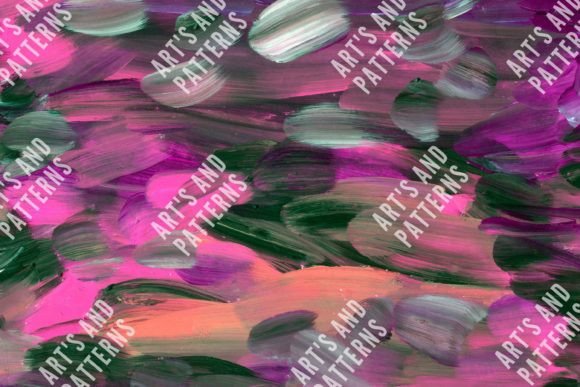
While oil painting as a medium dates back centuries, its texture—characterized by thick layers, impasto techniques, and visible brushstrokes—has gained renewed interest in the digital age. Artists and designers are now blending traditional techniques with modern tools, creating hybrid forms of expression that bridge physical and digital realms.
This evolution is not just about aesthetics. It reflects a broader shift in how people engage with visual media. Today’s audiences expect more than static images; they want depth, authenticity, and a sense of tactile presence. Oil Painting Texture meets this demand by offering a way to infuse digital content with a handcrafted feel, making it stand out in a sea of generic visuals.
Why Oil Painting Texture Matters in Today’s Creative Landscape
In an era where high-resolution images are the norm, Oil Painting Texture offers a unique differentiator. It adds character, personality, and a human touch to otherwise sterile digital assets. This is especially relevant for creators who rely on visual storytelling—whether in branding, marketing, education, or personal projects.
Consider the growing trend of minimalism in design. While minimalism often emphasizes simplicity, it doesn’t preclude texture. In fact, subtle Oil Painting Texture can enhance a minimalist aesthetic by adding dimension without overwhelming the composition. This balance is key to modern design sensibilities, where subtlety and impact go hand in hand.
Moreover, the rise of remote work and digital collaboration has increased the need for visually compelling materials. Whether you're designing a website, creating social media content, or producing instructional materials, having access to high-quality, textured images can elevate your output and make your work more engaging.
How Oil Painting Texture Fits into Modern Workflows
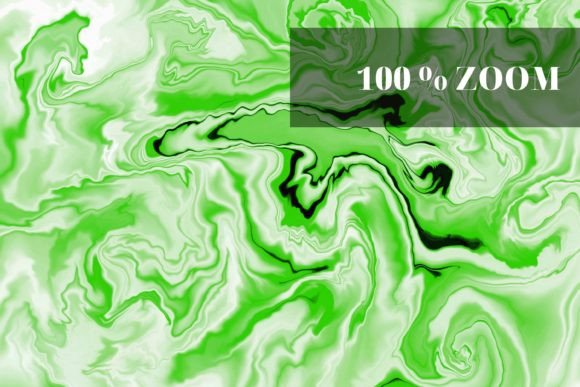
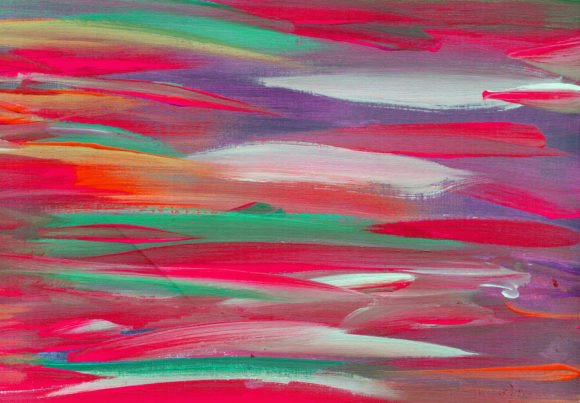
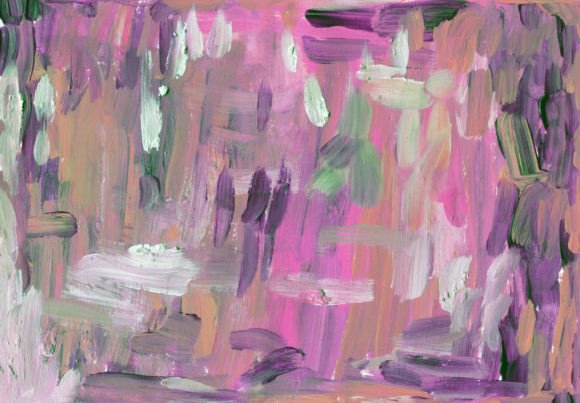
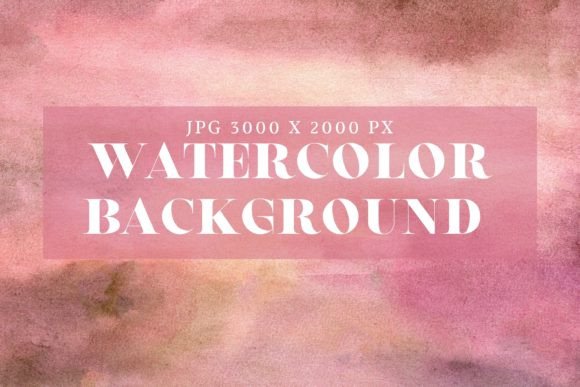
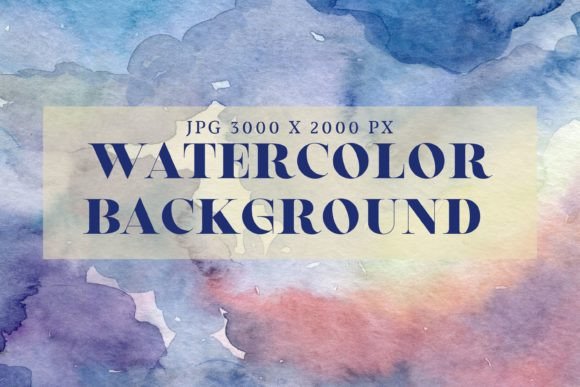
For professionals and hobbyists alike, integrating Oil Painting Texture into their workflow can streamline creative processes and improve outcomes. One of the most convenient ways to access these textures is through downloadable resources. After downloading, you get 1 zip file containing 1 JPG image—300 DPI RGB, 3000x2000 px. This format ensures compatibility with most design software and maintains high quality for both print and digital use.
Such resources are particularly valuable for those who may not have the time or space to create textures from scratch. They offer a ready-made solution that can be easily incorporated into projects. For example, a blogger might use an Oil Painting Texture background to enhance the visual appeal of a blog post, while a marketer could apply it to a product image to give it a more premium look.
Additionally, these textures are versatile enough to be used across multiple platforms. From web design to print media, the same image can be adapted to suit various needs. This flexibility makes them a cost-effective and efficient resource for creators looking to maintain consistency in their visual identity.
Practical Applications of Oil Painting Texture
Let’s explore some real-world applications of Oil Painting Texture:
- Branding and Marketing: Companies often use textured backgrounds or overlays to add sophistication to their branding materials. An Oil Painting Texture can subtly reinforce a brand’s artistic or artisanal identity.
- Education and Instructional Content: Teachers and educators can use textured visuals to make learning materials more engaging. For instance, a science lesson might benefit from a textured illustration that helps students better visualize complex concepts.
- Personal Projects and Portfolios: Artists and designers can incorporate Oil Painting Texture into their portfolios to showcase their style and attention to detail. This can help them stand out in competitive fields.
- Social Media and Content Creation: Platforms like Instagram, Pinterest, and TikTok thrive on visual appeal. Adding a textured element can make content more eye-catching and shareable.
These examples illustrate how Oil Painting Texture isn’t just an aesthetic choice—it’s a strategic one. It enhances the user experience, supports creative goals, and aligns with current trends in visual communication.
Staying Ahead with Trend-Driven Creativity
As technology continues to evolve, so too does the way we create and consume visual content. Trends like AI-generated art, immersive experiences, and interactive media are reshaping the creative landscape. However, these innovations don’t negate the value of traditional techniques like Oil Painting Texture.
Instead, they offer new opportunities to integrate texture into digital environments. For instance, augmented reality (AR) and virtual reality (VR) experiences can benefit from textured visuals that provide a more realistic and immersive feel. By staying informed about these trends, creators can position themselves at the intersection of tradition and innovation.
At the same time, there’s a growing appreciation for authenticity in a world dominated by automation. People are seeking content that feels genuine, handcrafted, and meaningful. Oil Painting Texture taps into this desire, offering a way to connect with audiences on a deeper level.
Conclusion and Call to Action
Whether you're a seasoned professional or just starting out, Oil Painting Texture is a powerful tool that can elevate your creative output. Its relevance extends beyond art—it impacts design, marketing, education, and even personal expression.
By incorporating textured elements into your workflow, you can create more engaging, visually compelling content that resonates with your audience. And with easy-to-access resources like the ones described here, there’s no reason not to experiment and explore.
Subscribe to me and get news about my new products. Thank you for visiting me. Leave your feedback and suggestions—I’d love to hear from you!