Pink Oil Texture: A Modern Approach to Creative and Professional Workflow
In today’s fast-paced digital landscape, the way we create, share, and consume visual content is evolving rapidly. One emerging trend that has gained traction among designers, marketers, and creative professionals is the use of Pink Oil Texture. This unique visual element offers more than just aesthetic appeal—it serves as a powerful tool for branding, storytelling, and user engagement.
Understanding Pink Oil Texture
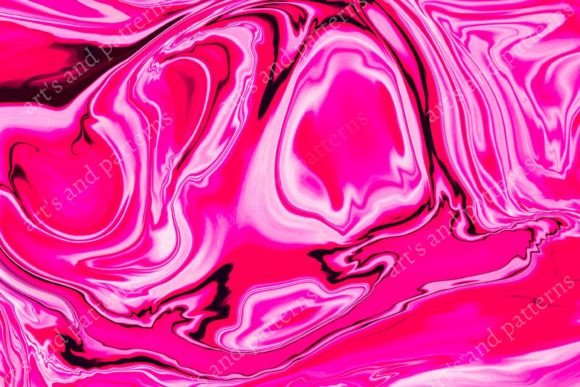
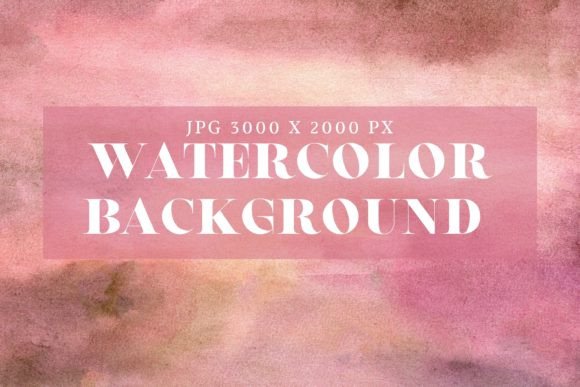
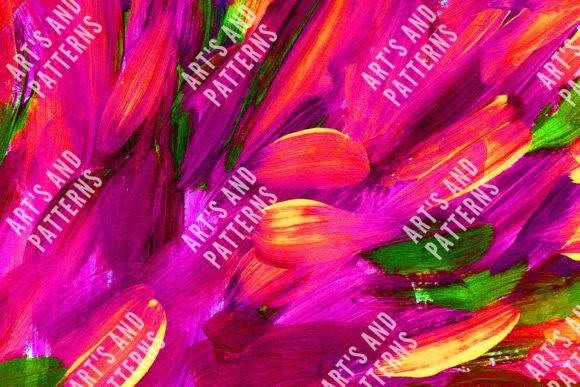
Pink Oil Texture refers to a specific type of surface texture that mimics the appearance of oil-slicked surfaces with a soft pink hue. It is often used in graphic design, photography, and digital art to add depth, interest, and a touch of elegance to visuals. Unlike traditional textures, which can sometimes feel static or overly technical, Pink Oil Texture introduces a subtle, organic quality that resonates with modern audiences.
This texture is not just visually striking; it also plays a functional role in enhancing the overall composition of an image. By adding a layer of complexity and dimension, it helps guide the viewer’s eye through the artwork, making it more engaging and memorable. Whether used in a product photo, a social media post, or a brand identity, Pink Oil Texture adds a unique character that stands out in a crowded digital space.
The Rise of Visual Storytelling and Branding
As consumers become more discerning, brands are increasingly relying on visual storytelling to connect with their audience. In this context, Pink Oil Texture has emerged as a valuable asset. Its soft, reflective qualities make it ideal for creating a sense of luxury and sophistication, which aligns with the growing demand for premium, curated content.
For instance, fashion and lifestyle brands have begun incorporating Pink Oil Texture into their marketing materials to evoke a sense of glamour and exclusivity. Similarly, beauty and wellness companies use it to enhance product images, giving them a more polished and high-end appearance. These applications demonstrate how Pink Oil Texture can be leveraged to meet the changing expectations of modern consumers.
Practical Implications for Creators and Professionals
For creators and professionals, the integration of Pink Oil Texture into their workflow can lead to several practical benefits. First, it allows for greater creative flexibility. By using this texture, designers can experiment with different visual effects without compromising the integrity of the original image.
Second, it streamlines the production process. With tools like Photoshop or online texture generators, users can easily apply Pink Oil Texture to their projects. This ease of use makes it accessible even to those who are not experts in graphic design. Moreover, the availability of high-quality textures, such as the 4000x4000 px JPG file at 300 DPI RGB, ensures that the final output meets professional standards.
Third, it enhances the user experience. When applied thoughtfully, Pink Oil Texture can make images more visually appealing and emotionally resonant. This is particularly important in industries where first impressions matter, such as e-commerce, advertising, and content marketing.
How to Use Pink Oil Texture Effectively
While Pink Oil Texture can elevate your work, its effectiveness depends on how you use it. Here are some practical tips:
- Use it sparingly: Too much texture can overwhelm the viewer. Apply it strategically to highlight key elements of your design.
- Match the tone: Ensure that the texture complements the overall mood and message of your project. For example, a warm pink texture may suit a romantic or luxurious theme, while a cooler shade could work better for a minimalist aesthetic.
- Test across platforms: Not all platforms render textures the same way. Always preview your work on different devices and screen sizes to ensure consistency.
- Combine with other elements: Pair Pink Oil Texture with typography, color schemes, and other design elements to create a cohesive and balanced composition.
Why People Are Paying More Attention to Texture in Design
The increased focus on texture in design is part of a broader shift toward more immersive and interactive user experiences. As technology advances, users expect more from digital content—more realism, more depth, and more emotional connection.
Pink Oil Texture fits into this trend by offering a tactile, almost sensory experience. It invites viewers to engage with the image in a way that goes beyond mere observation. This is especially relevant in fields like virtual reality, augmented reality, and interactive media, where texture plays a crucial role in creating a sense of presence and realism.
Additionally, the rise of social media platforms has made visual content more competitive than ever. To stand out, creators must find ways to differentiate their work. Pink Oil Texture provides a simple yet effective solution, helping content creators capture attention and build a stronger brand identity.
Getting Started with Pink Oil Texture
If you're new to using Pink Oil Texture, the process is straightforward. After downloading, you will receive a zip file containing one high-resolution JPG image—4000x4000 pixels at 300 DPI in RGB format. This resolution and color profile ensure that the texture is suitable for both print and digital use.
To begin, open your preferred design software, such as Adobe Photoshop, GIMP, or Canva. Import the texture file and adjust its opacity to achieve the desired effect. Experiment with blending modes and layer settings to integrate the texture seamlessly into your project.
Remember, the key to success lies in experimentation. Don’t be afraid to try different combinations and see what works best for your specific needs. The more you explore, the more you’ll discover how Pink Oil Texture can enhance your creative output.
Stay Updated with New Products and Trends
As the world of design and digital content continues to evolve, staying informed is essential. That’s why I encourage you to subscribe to my newsletter for regular updates on new products, trends, and insights. Whether you're a seasoned professional or just starting out, there's always something new to learn and explore.
I truly appreciate your visit and hope you found this information helpful. If you have any questions, feedback, or suggestions, please don’t hesitate to share them. Your input is invaluable, and I’m always looking for ways to improve and grow together.