Watercolor Digital Texture: A Creative Tool for Real-World Applications
If you're looking to add a touch of artistic flair to your digital projects without the hassle of traditional media, Watercolor Digital Texture is a powerful resource. This type of texture offers a unique blend of natural artistry and digital precision, making it ideal for a wide range of creative and practical uses. Whether you're a designer, marketer, or content creator, understanding how to effectively use Watercolor Digital Texture can elevate your work in unexpected ways.
What Is Watercolor Digital Texture?
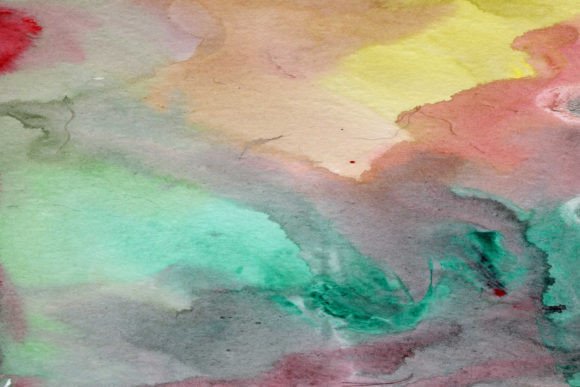
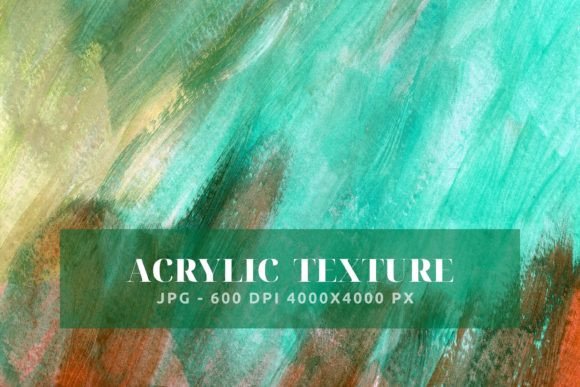
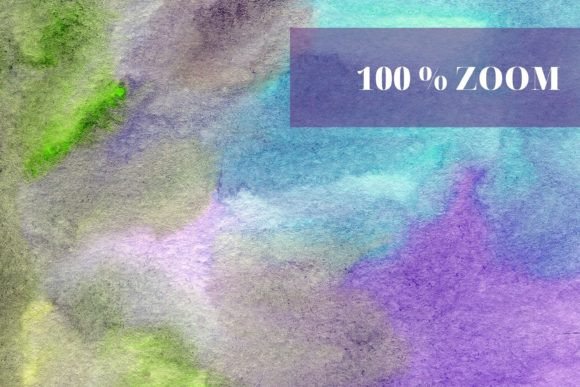
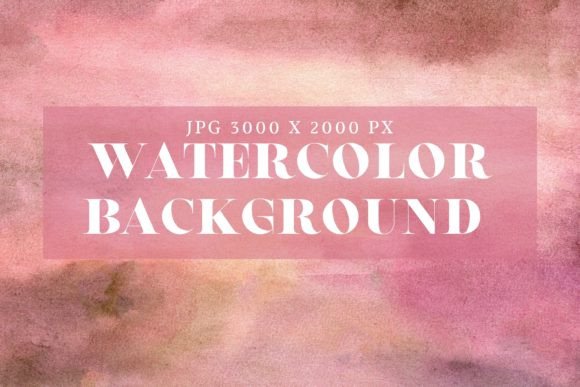
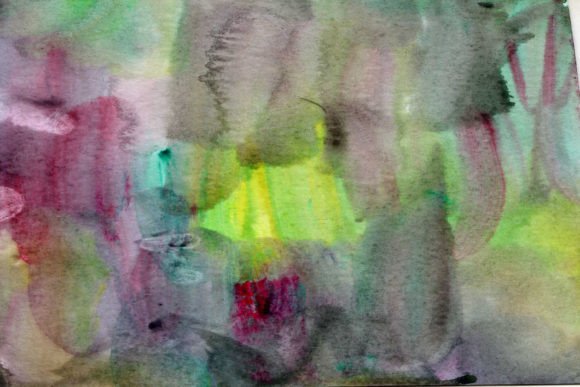
Watercolor Digital Texture refers to high-resolution images that mimic the appearance of watercolor paintings. These textures are typically created using digital tools and can be applied as overlays, backgrounds, or design elements in various creative software programs. Unlike traditional watercolor, which requires physical materials and time, Watercolor Digital Texture allows for instant access and easy integration into digital workflows.
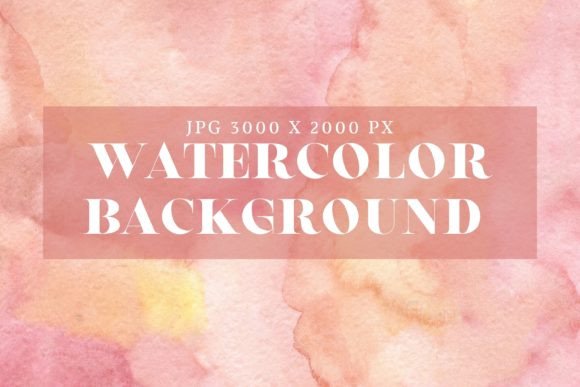
The textures are often available in formats like JPEG or PNG, with resolutions such as 300 DPI RGB at dimensions like 3000x2000 pixels. This ensures they maintain clarity and detail when used in print or online environments. Many providers offer these textures as downloadable zip files, making it simple to access and apply them across different platforms.
Where Can You Use Watercolor Digital Texture?
The versatility of Watercolor Digital Texture means it can be applied in numerous scenarios, from branding to personal projects. Here are some real-world examples:
- Branding and Packaging: Adding a subtle Watercolor Digital Texture to product packaging or brand assets can give your designs a more organic and artistic feel, appealing to eco-conscious or lifestyle-oriented consumers.
- Web Design: Incorporating these textures into website backgrounds or buttons can enhance visual appeal while maintaining a clean and modern aesthetic.
- Graphic Design: For posters, social media graphics, or editorial layouts, Watercolor Digital Texture can serve as a creative backdrop that adds depth and interest without overwhelming the main content.
- Marketing Materials: Brochures, flyers, and email templates can benefit from the soft, painterly look of Watercolor Digital Texture, helping to create a more engaging and memorable experience for your audience.
- Personal Projects: Whether you're creating a scrapbook, a digital collage, or a custom illustration, Watercolor Digital Texture can bring your ideas to life with a touch of creativity and authenticity.
Who Benefits From Using Watercolor Digital Texture?
Watercolor Digital Texture is not limited to any one industry or skill level. Here's how different users may find value in it:
Designers and Artists
For designers and artists, Watercolor Digital Texture provides a new layer of inspiration and flexibility. It allows for quick experimentation with color and composition, enabling creative exploration without the need for physical supplies.
Marketers and Brand Managers
Marketers can leverage Watercolor Digital Texture to create visually appealing content that aligns with brand identity. Its subtle nature makes it perfect for maintaining a cohesive visual language across multiple channels.
Students and Hobbyists
Students and hobbyists will appreciate the accessibility of Watercolor Digital Texture. It’s an excellent tool for learning and practicing digital art techniques, offering a low-cost and efficient way to explore creative expression.
Entrepreneurs and Small Business Owners
Entrepreneurs can use Watercolor Digital Texture to enhance their product visuals, making their offerings stand out in a competitive market. It’s especially useful for e-commerce, where first impressions matter significantly.
Considerations Before Using Watercolor Digital Texture
While Watercolor Digital Texture offers many benefits, there are a few key considerations to keep in mind:
- Resolution and Quality: Always check the resolution (e.g., 300 DPI) and file size before downloading. Lower quality textures may appear pixelated when printed or scaled up.
- Compatibility: Ensure the format (e.g., JPEG, PNG) is compatible with your design software. Some textures may require specific tools or layers to apply correctly.
- Copyright and Licensing: Verify whether the texture is royalty-free or requires attribution. Using unlicensed textures can lead to legal issues, especially for commercial use.
- Integration: Think about how the texture will interact with other design elements. Too much texture can overwhelm a layout, so balance is key.
- Customization: While pre-made textures are convenient, consider whether you need to customize them for your specific project. Some textures may need adjustments in color or opacity to fit your vision.
Strengths and Limitations
Watercolor Digital Texture has several strengths, including its ease of use, visual appeal, and adaptability. However, it also has limitations. For instance, it may not be suitable for projects requiring high contrast or sharp details. Additionally, it may not provide the same tactile experience as traditional watercolor, which could be a drawback for certain artistic applications.
Despite these limitations, the advantages of Watercolor Digital Texture make it a valuable asset for anyone looking to infuse creativity into their digital work. With the right approach and tools, it can transform ordinary designs into something truly special.
After downloading, you get a zip file containing the Watercolor Digital Texture in JPG format—300 DPI RGB at 3000x2000 px. The image features the product on a white background, ensuring it's ready for immediate use in your projects. Subscribe to me and get news about my new products ♥ Thank you for visiting me ♥ ♥ Leave your feedback and suggestions ♥.